
Artificial Grass: A Buyer's Guide to Quality, Specifications and Applications
Time: 2026-10-19
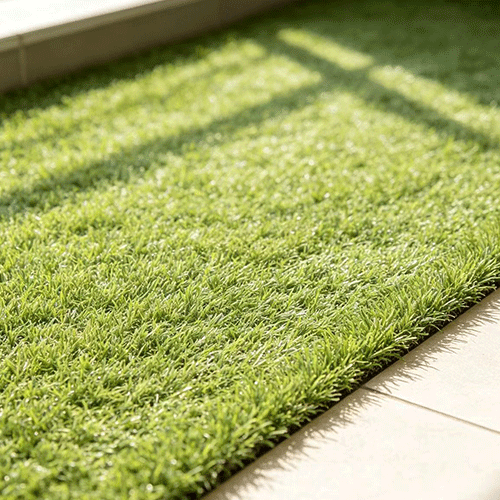
Artificial grass has evolved from a simple sports surface into a versatile landscaping and commercial flooring solution. Today, it is widely used in residential gardens, commercial landscapes, pet areas, playgrounds, rooftop terraces, balconies and sports fields.
What Determines Artificial Grass Quality?
The appearance of artificial grass may look similar at first glance, but several technical factors affect its durability, comfort and long-term performance.
Yarn type and material
Most
artificial grass is made from PE, PP or a combination of both. PE yarns
are generally softer and more natural-looking, making them suitable for
landscaping and residential use. PP yarns are firmer and more
cost-effective, often used in sports or decorative applications. A mixed
structure can balance softness, resilience and price.
Pile height and density
Pile
height usually ranges from 20 mm to 50 mm, depending on the
application. Longer pile gives a fuller look, but density is equally
important. High-density grass with moderate pile height often performs
better than low-density grass with very long pile, especially in
high-traffic areas.
Dtex and face weight
Dtex
measures yarn thickness, while face weight reflects how much yarn is
used per square meter. Higher dtex and higher face weight generally mean
better durability, but the right choice depends on the end use. A pet
area, playground and decorative balcony have different requirements.
Backing system
The
backing holds the yarn in place and affects drainage, stability and
installation. Common backing structures include PP mesh, PP + net, and
latex or PU coating. PU backing usually offers stronger tuft bind and
better durability, while latex backing is widely used for general
landscaping products.
Why Backing and Drainage Matter
For export buyers, backing is one of the most important details to check. Poor backing can lead to yarn shedding, edge deformation or drainage problems after installation. Good artificial grass should allow water to pass through quickly, especially for outdoor landscaping, pet areas and regions with heavy rainfall.
Drainage holes, backing coating and tuft bind strength should all be confirmed before order placement.
UV Resistance and Long-Term Appearance
Artificial grass installed outdoors must resist sunlight, heat and weather changes. UV-stabilised yarns help prevent colour fading and fibre brittleness over time. For markets with strong sunlight or high summer temperatures, UV resistance becomes a key selection criterion.
Regular
brushing and occasional rinsing can help maintain the appearance, but
the product itself should be designed to keep its colour and structure
for years.
Final Thoughts
Artificial grass is not a one-size-fits-all product. The best choice depends on where it will be installed, how much traffic it will receive and what appearance the end user expects. By focusing on yarn material, pile height, density, backing and UV performance, buyers can make more confident decisions and reduce the risk of mismatched specifications.